Putting your home on the market - a checklist

During our initial meetings with home sellers, one of the topics of conversation is what needs to be done prior to listing. Here's the handy checklist we share.

Before you begin, you will need to change your perspective from that of a home owner, to that of a property seller. Most of the suggestions below are relatively inexpensive and can primarily be completed simply with some elbow grease. Allow yourself ample time to tackle this checklist so that you are ready for showings when the house hits the market.


The home inspection from a Realtor’s perspective

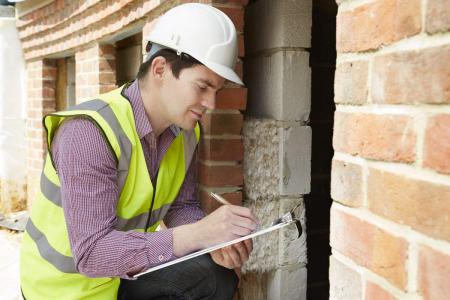
Since we sell about 50-60 homes a year, and about half of those sales are to buyer clients, we attend roughly 25 home inspections each year (which means 250 since opening McSharry and Associates and at least double that if you count Patrick’s first 16 years in the business) so we have been to a LOT of inspections and we are big fans! A home inspection is the buyer’s best opportunity to uncover any potential issues AND to learn about their prospective new home.


Understanding closing costs

Buying and selling real estate comes at a cost and it’s important to know what your expenses will be before you begin the process. While we will give you a brief summary below, please make sure to consult with your specific service providers to ensure you have a thorough understanding of the fees associated with your transaction.


Deconstructing the purchase contract

Real estate agents, in the Capital Region, use the same boiler plate contract for the purchase and sale of real estate. This enables us to quickly put together an offer on behalf of a buyer as well as easily explain the details of an offer to a seller. We make sure to tell our clients that once the terms are fully agreed upon and both parties have signed the contract, it becomes a legally binding document, so it’s very important the parties understand what they are signing. Both parties are strongly encouraged to have a real estate attorney review and approve the contract during a standard attorney review period (which is outlined in the contract) but we want our clients to have a strong grasp of what they are agreeing to well before they talk with their attorney.


Townhomes versus condominiums

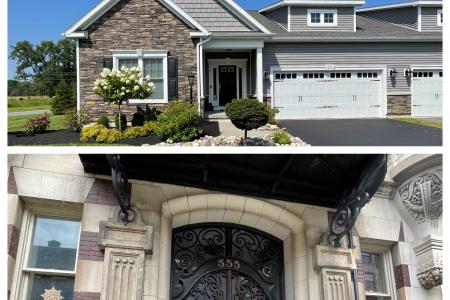
Since we currently have both a townhome and a condo listing, we thought it would be a good time to provide a brief primer on the difference between the two homes and the ways in which they are similar. A condominium is akin to an apartment in that it is in a building with several other units. A townhouse shares a wall or walls with neighboring properties. But there’s more to it than that.


Increasing the odds of winning a bidding war

Buying a house these days is tough. There are more buyers looking than there are homes on the market. As a result, there simply aren’t that many options to select from and when you find a house you like, chances are you aren’t the only buyer interested so you find yourself having to decide quickly whether you want to jump into a bidding war. While we are a bit biased, we think now more than ever buyers need to have a seasoned professional on their team to help them navigate the process.

Here are some of the tips we have been sharing with our buyer clients to increase the odds that they are the winners of a bidding war.


Should you buy a flip?

Another phenomena that we credit to HGTV is the increase in the number of flipped homes available for sale. Flips are homes that someone purchases with the intent to renovate and sell, at a profit. In the past, they were few and far between, but now it seems everyone and their cousin is buying and renovating homes or at least considering getting into the business.

Flipped listings can be a sign of a healthy community as flippers are drawn to homes in locations with a strong real estate market. For buyers, it can be very appealing to purchase a home with a brand-new kitchen, updated baths, refinished floors, etc. We don’t advise our buyer clients to avoid flips, but we do suggest they tread carefully and thoughtfully. And we speak from personal experience, as our current home was purchased, renovated top to bottom, and listed by a local contractor.


Gardening in the winter

On this late January day, with snow coming down outside my window, I am thinking about gardening. For the first time since moving to this house, we had a vegetable garden last year and I am planning to double the raised beds and build more permanent fencing around them. I am also excited to order and plant new varieties of dahlias and zinnias as their splash of color lasts well into the fall.


Inequity in home ownership

While we don’t presume to have the expertise to thoroughly discuss the causes and solutions to the racial inequity that exists in home ownership, with the current (and needed) focus on the institutional racism that permeates our society, we felt it important to share some statistics for your consideration.

For most of us, our home is our most valuable asset. Home ownership allows us to grow our wealth in a way that no other purchase does. As cited in a recent Washington Post article, in 2019 white median household wealth was $139,300 as compared to $12,780 for black households. In looking at housing statistics, one sees a discrepancy between the home ownership experience for white and black Americans. According to the US Census, 76% of white non-hispanics are home owners as contrasted with 47% of black households. This gap is wider in cities and in the Northeast and Mid-West. According to a 2018 Urban Institute report, Albany NY has the dubious distinction of having the largest gap with 69% of white residents owning homes compared to 20% of black residents.


Buying in a hot market

Before COVID (B.C.), the housing inventory was relatively tight and we were anticipating Spring 2020; excited to market new listings and ready to help buyers find their perfect home. And then real estate shut down for several weeks while we focused our attention on staying safe and healthy. While real estate was ultimately deemed an essential service, it wasn’t until the region entered phase 2 and agents were given permission to conduct in-person meetings (with social distancing and mask wearing) that activity resumed in earnest. Almost right away, the area saw an uptick in listings and, along with that, an increase in pending sales.